Developer drivenby passion.
Just a 24-year-old who keeps asking how far we can go.
I like software that does its job so well people stop noticing it. It saves them time, it has a reason to exist, and they come back to it. That is the bar.

Who am I?
I’m Cédric, a 24-year-old fullstack developer who builds whole products, from the database to the screen.
- Age
- 24
- Job
- Full-stack developer at Fulldigits, since 2023
- Builds
- Products people come back to
- Setup
- Linux, Vim, the terminal
- Off the clock
- Two wheels, cats, anime
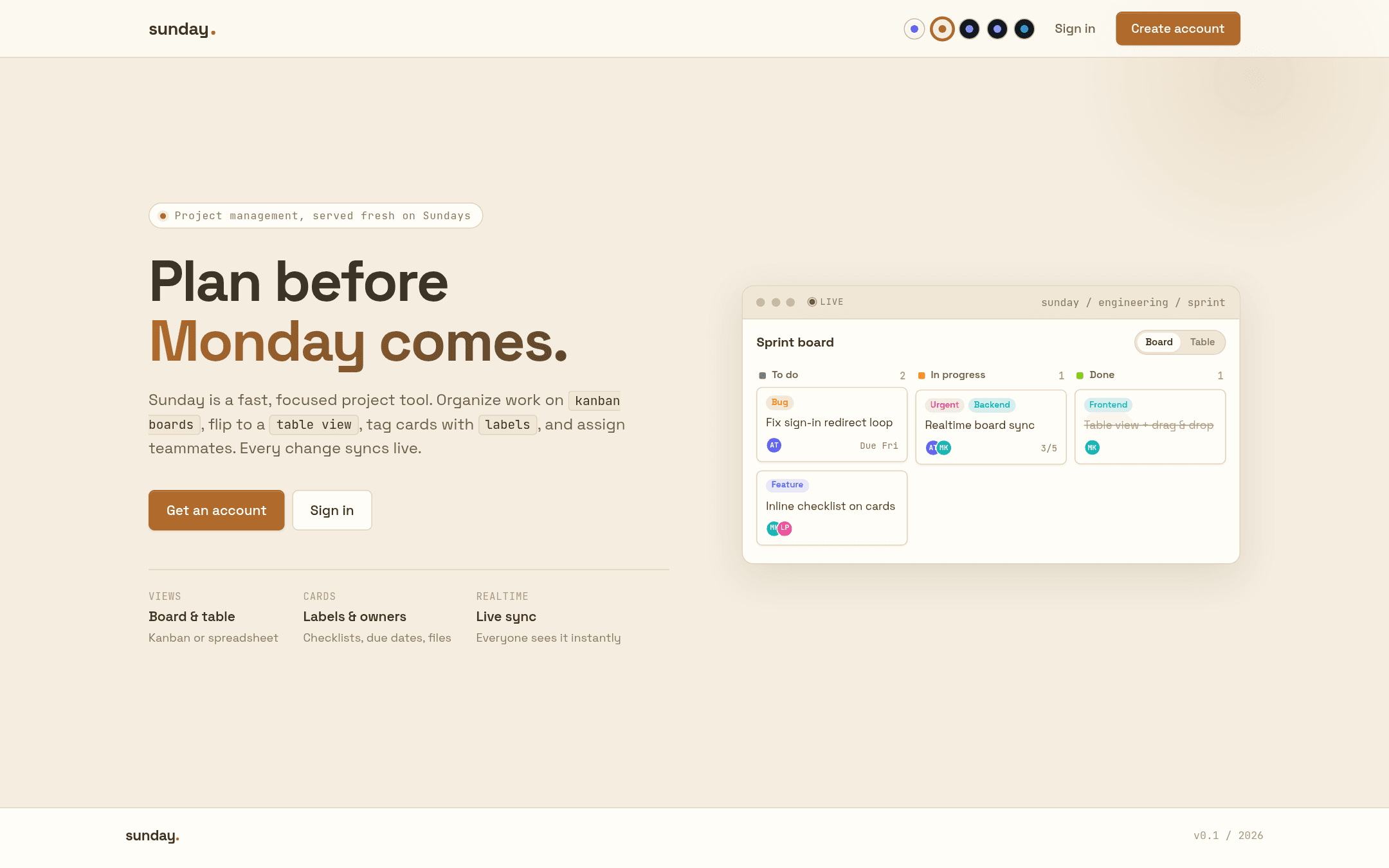
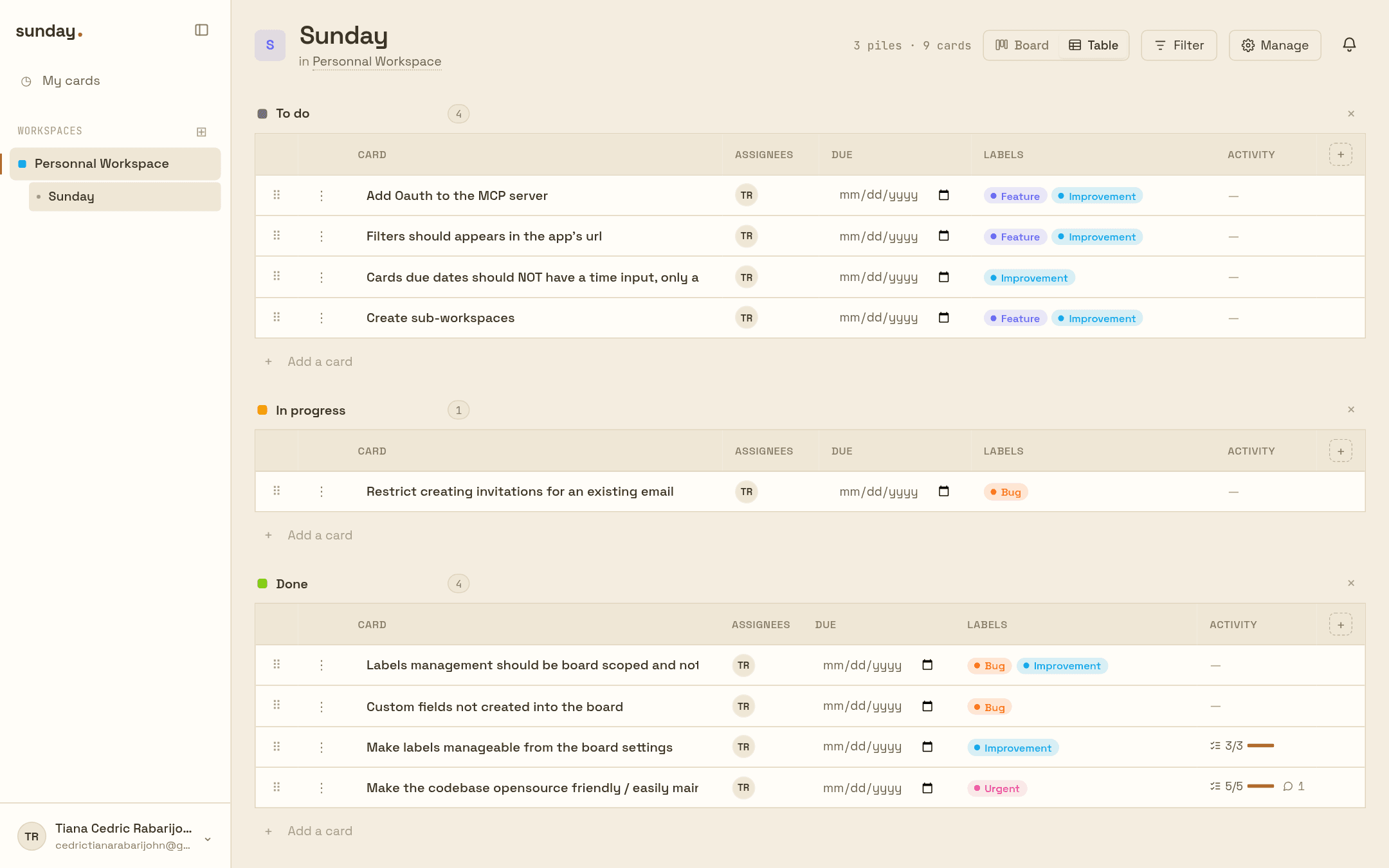
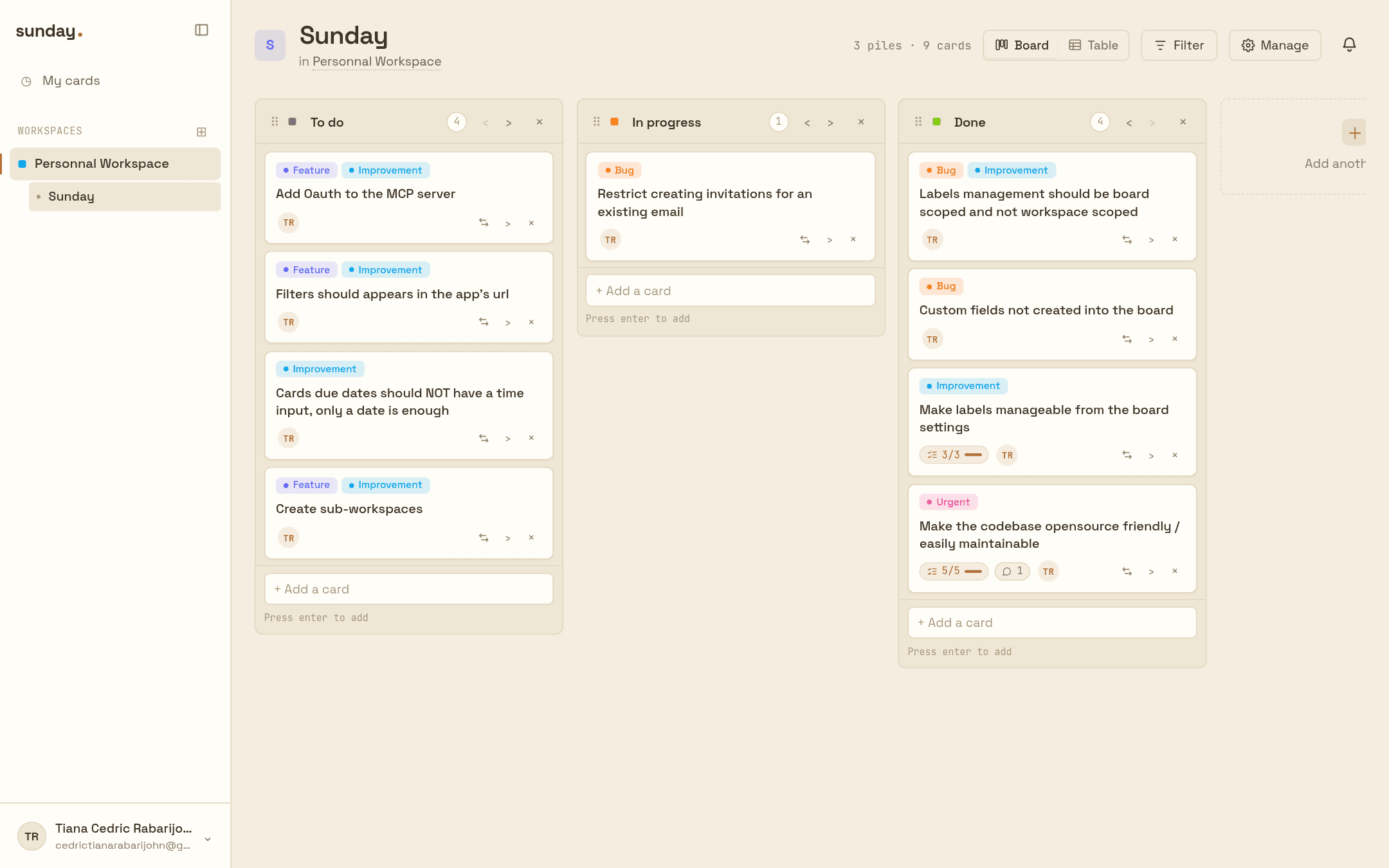
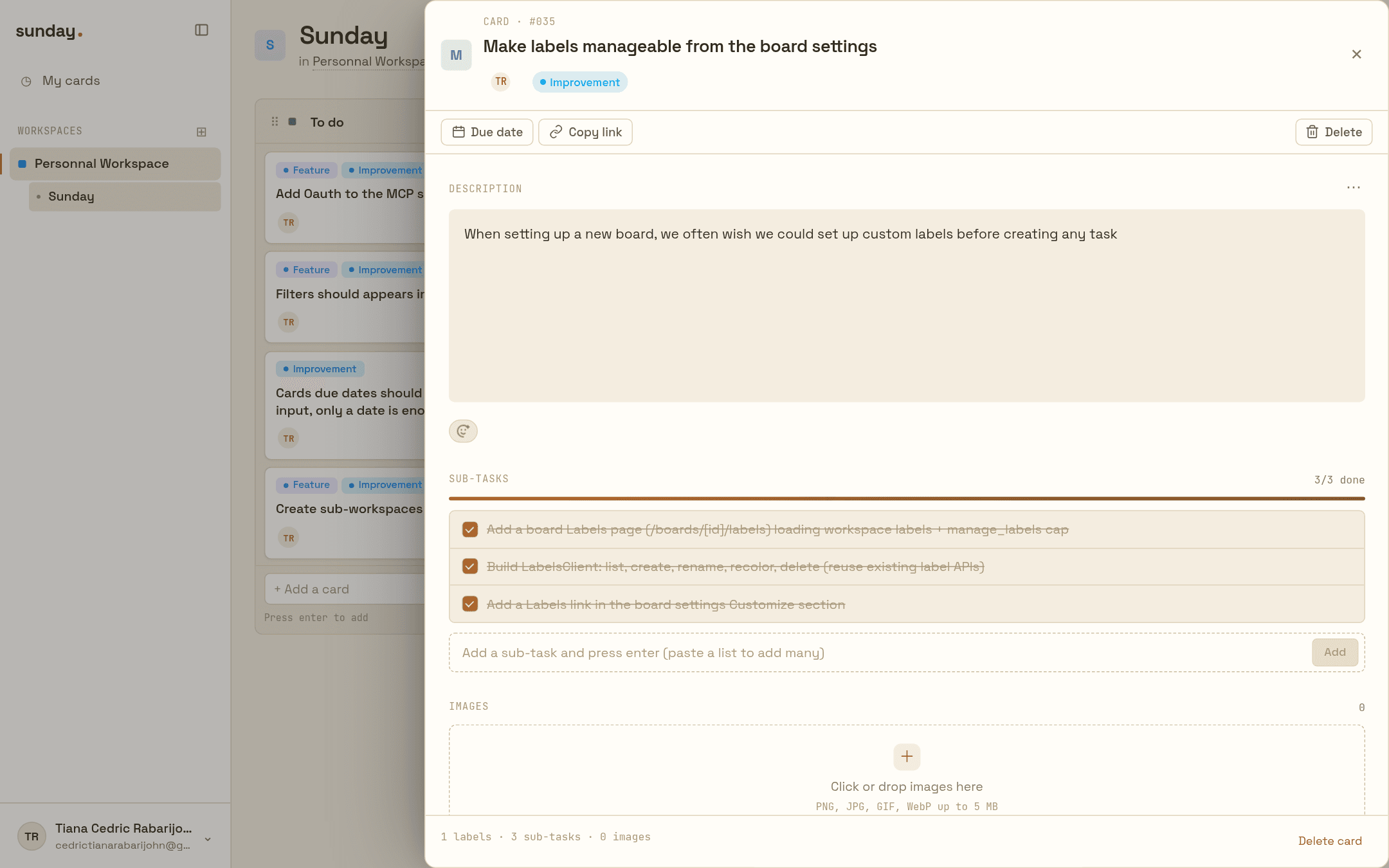
Experience
Built. Shipped. In production.
Full-stack developer at Fulldigits, since 2023. Agile teams, working alongside backend developers, product managers, and clients to deliver scalable and maintainable products.
In production
Community platform for African and francophone cultural industries
Team, front end
1,500+
professionals using the platform
Designed and shipped a platform now serving more than 1500+ professionals across the African and francophone cultural industries.
In production
Industrial sustainability assessment platform
Solo, database to production
< 5 min
to complete a sustainability assessment
Built alone, from the database schema through to production
Clients complete a sustainability assessment in under five minutes, with data syncing in real time.
In production
Website rebuild for a cultural organisation
Team, front end
4,000+
members in the association
Full rebuild for an association of more than 4,000 members.
Built the shared UI component library, animation included, which held the visual language together and shortened every page that came after it.
In production
Personality assessment PWA
Team, front end
PWA
cross-platform, with in-app purchases and streamed AI responses
Cross-platform progressive web app with in-app purchases through Stripe.
AI chatbot integration via Dify, with results streamed as text in real time.
In production
Dashboard for an international organisation
Team, front end
Reusable UI
across dashboards, listings and forms
Reworked dashboards, listings and forms around how people actually used them.
Introduced reusable Twig components, which cut duplication across the codebase.
Open source: Faust.js
the headless WordPress framework from WP Engine
- PR #2082Fixed locale prefix resolution in getWordPressProps, which was breaking routing on multilingual sites.Merged
- PR #2086Updated a deprecated Apollo Client devtools option.Merged
- Issue #2102Found and reported a CI pipeline problem, which led to nightly releases being restricted to the main repository.Reported
I push things to see how far they go.
AI included. Not because it is there, but to find out what it can really do for a product: what holds up, what breaks, what is worth keeping.
I do not build and forget. When I close the laptop I am still thinking about what I just made, and already excited about the next one. The experiments are how I find out. The products are what I keep.
Agents do the volume. The decisions are mine.
Every project here was built with Claude Code in the loop. I write the spec, choose the architecture, split the work into pieces an agent can do well, and review every line before it lands.
Specs first
The hard parts are decisions, not typing: a renderer that cannot drift from its export, the permission model behind an MCP endpoint, a migration path under a live board. Those are settled before any code is written.
Review is the job
Nothing ships unread. If I cannot defend a line in review, it does not go in.
I build for agents too
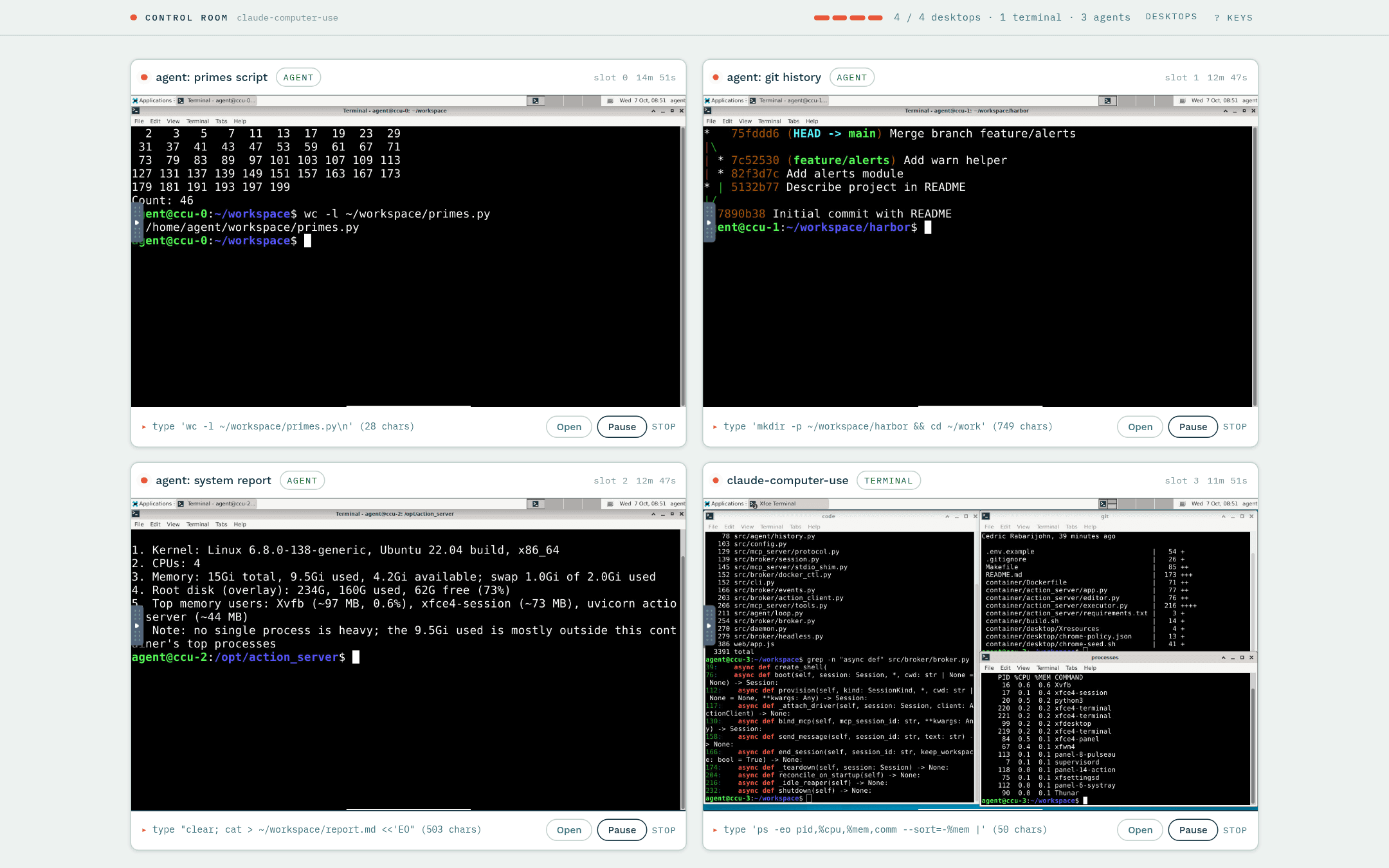
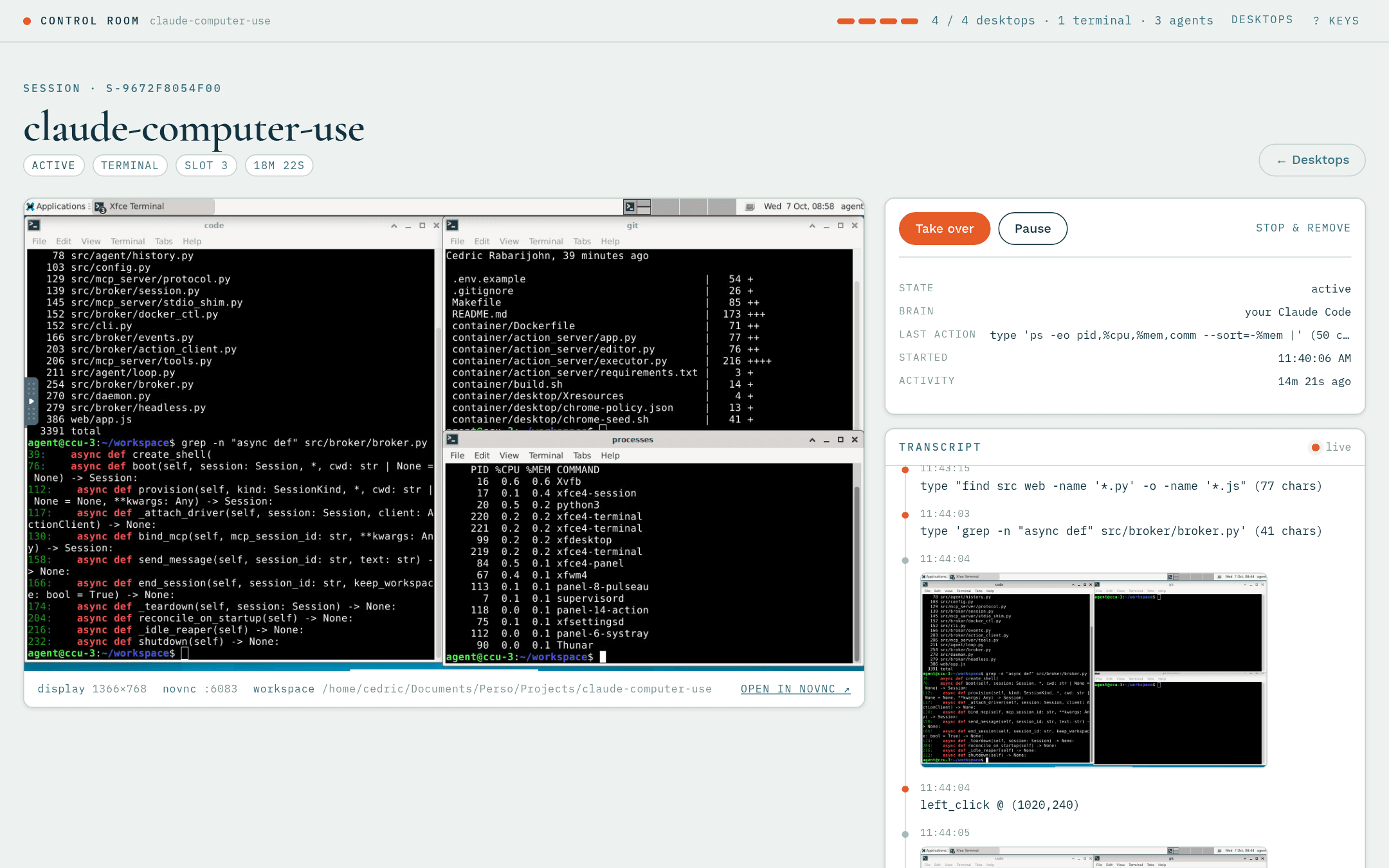
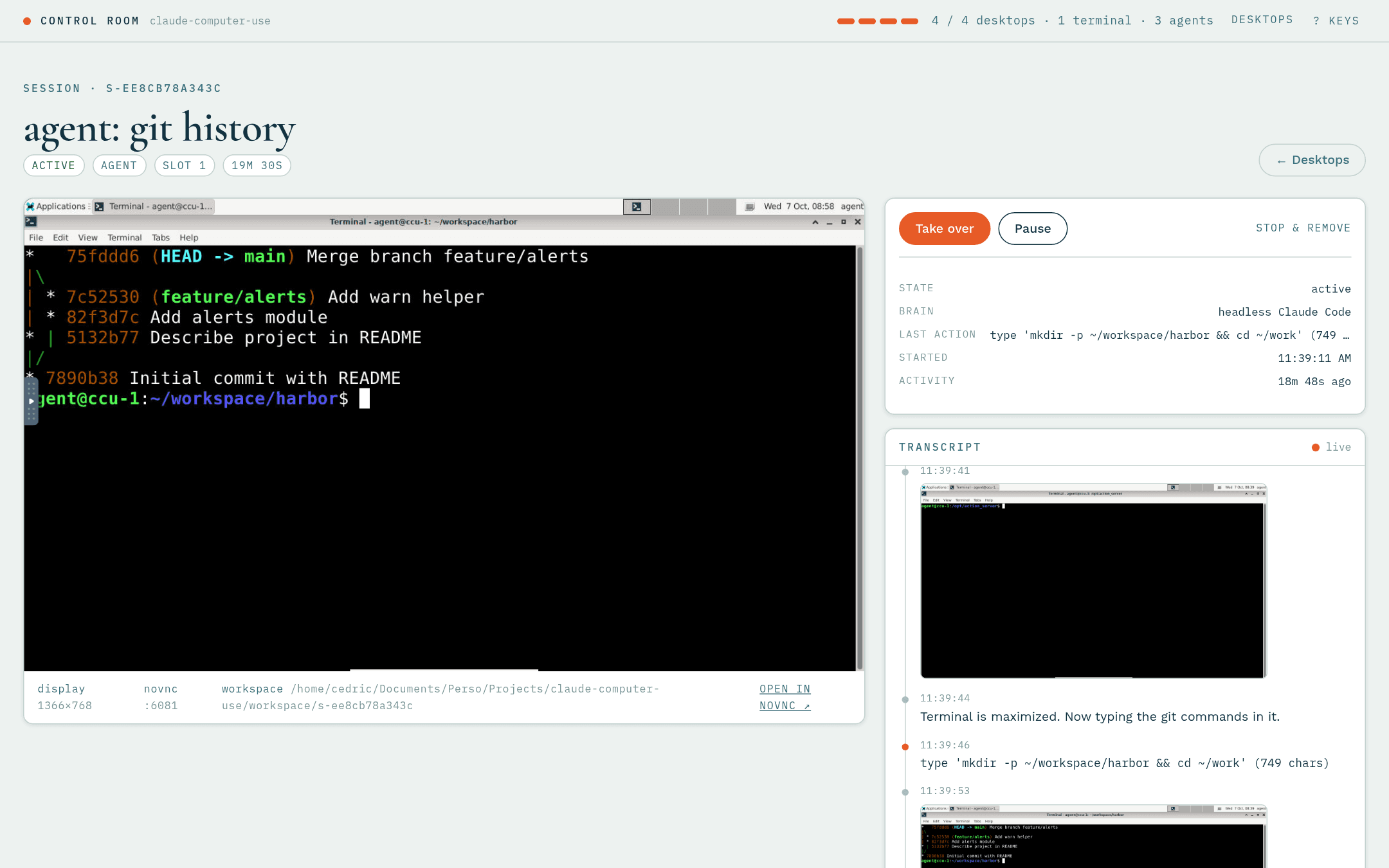
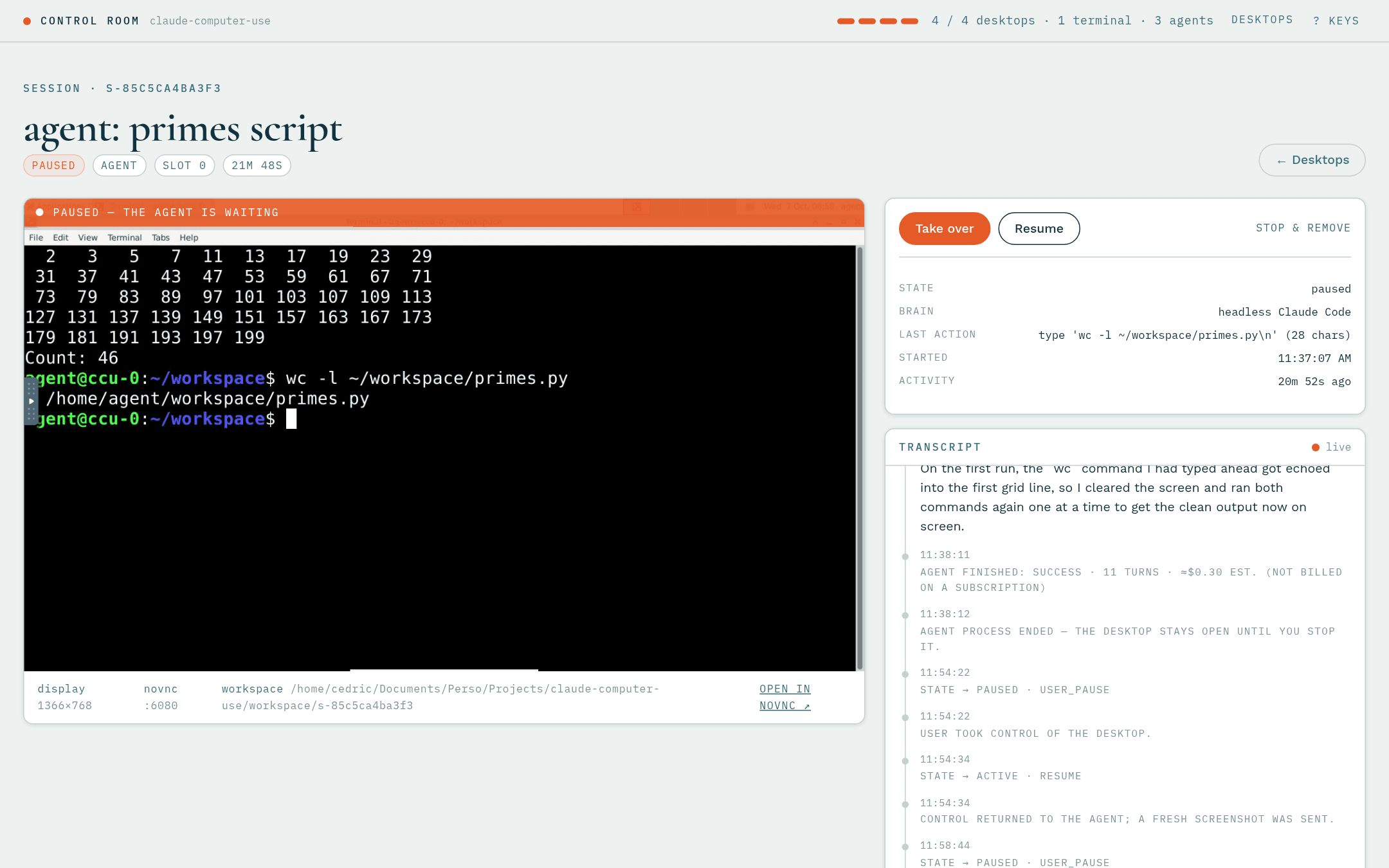
A Claude Code skill published for other people to use, MCP servers inside two of these products, and a fleet of isolated Linux desktops that agents can drive without touching the host machine.
I would rather say “interesting, let’s see” than “I don’t know”.
When someone brings me a problem, even one that is not mine, I look for the pieces, connect them, and try to explain it as simply as I can, so it gets easier for everyone to think about.
Claude Code skills
Skills I wrote for Claude Code. Each one exists because an agent kept getting the same thing wrong in the same way, so the fix belongs in the tool, not in the next prompt.
adhd-modePublic
The common complaint about Claude is not that it is wrong, it is that the answer arrives buried in three paragraphs of narration, and asking for brevity works for a few turns before it drifts back. Cutting length is the wrong fix: when Anthropic put length constraints into the system prompt, their own evaluations measured a drop in coding quality. So this skill changes the shape instead of the size. Short chunked steps, numbered, one idea per line. Same content, half the effort to read.
View on GitHubshrinked-ponytailPrivate
Given a small task, an agent will build a large answer: a new abstraction, a new dependency, three new files. This one makes it climb a ladder before writing anything, and stop at the first rung that holds. Not needed at all, then already in this codebase, then a platform feature, then a dependency that is already installed, then one line, and only then new code. Deletion over addition, boring over clever.
The wireframe pipelinePrivate
structural-blueprint · sitemap-normalize · sitemap-to-wireframes · wireframing · component-catalog
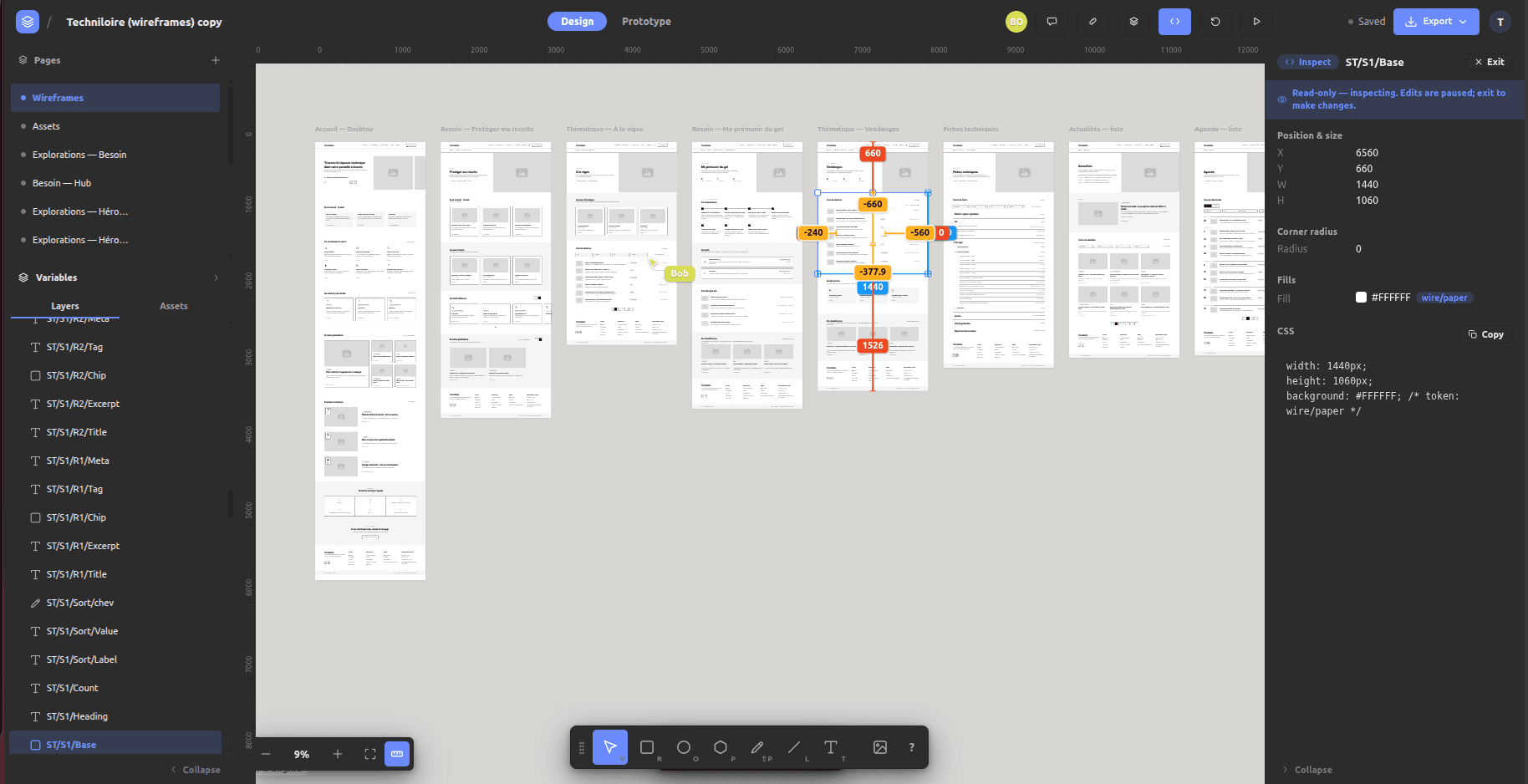
Going from a client brief to finished screens in a single prompt produces confident nonsense: pages nobody asked for, navigation that contradicts itself, decisions made silently. These four skills cut the road into hand-offs, each with a fixed output format. A structure per page, then a normalised sitemap, then a spec per page, then the wireframe. Every step is checkable before the next one starts, and a wrong turn shows up while it is still cheap.
figma-clone-designPrivate
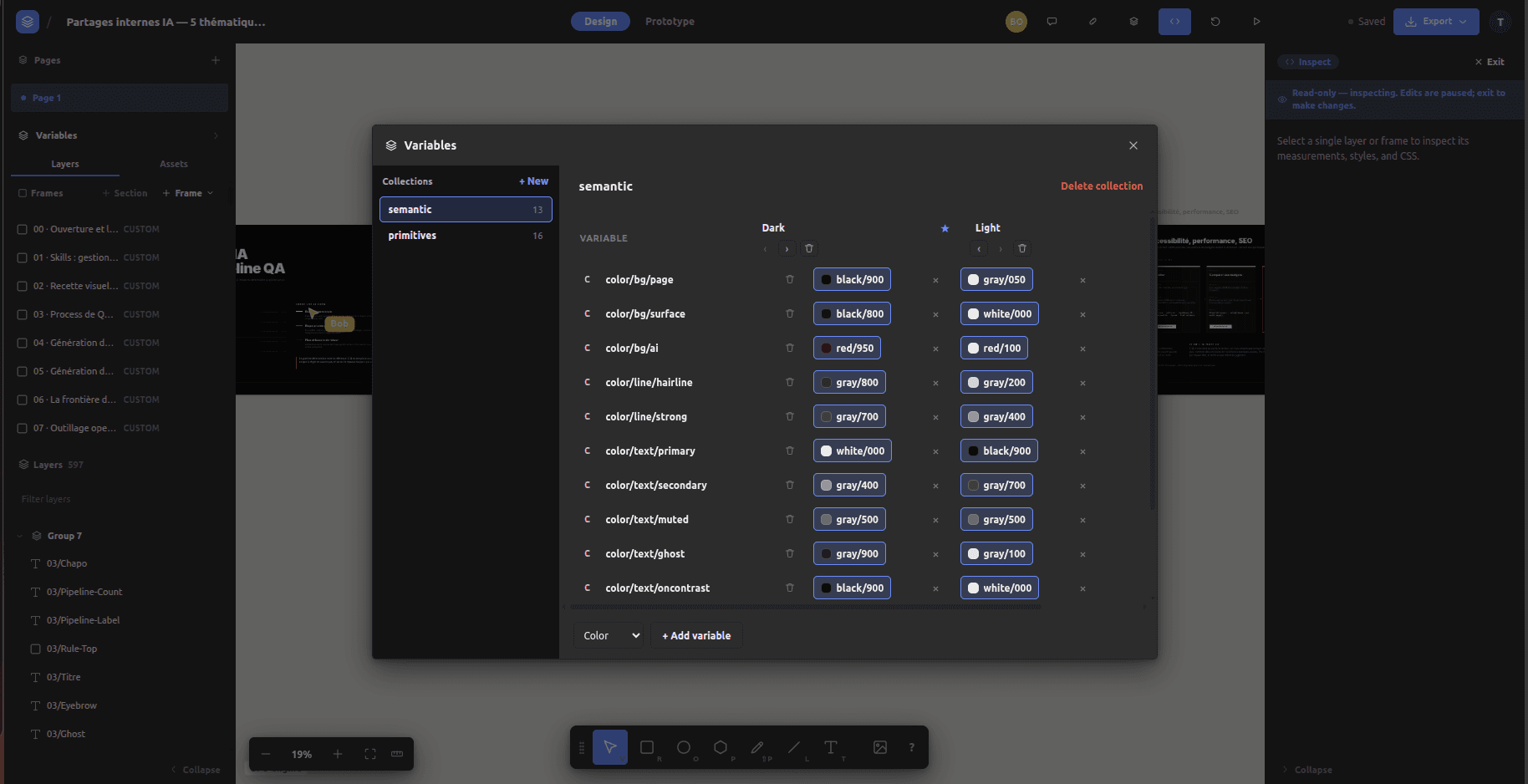
An agent driving a design tool will happily produce a document that looks correct in a screenshot and is unusable to a designer: no shared styles, nothing grouped, text overflowing its frame. This skill makes it work tokens first, group by block so a page can still be moved, and verify what it made by rendering the frame and measuring the text rather than assuming.
Four design systemsPrivate
neap-design-system · digital-brutalism · retro-digital-textures · utilitarian-terminal
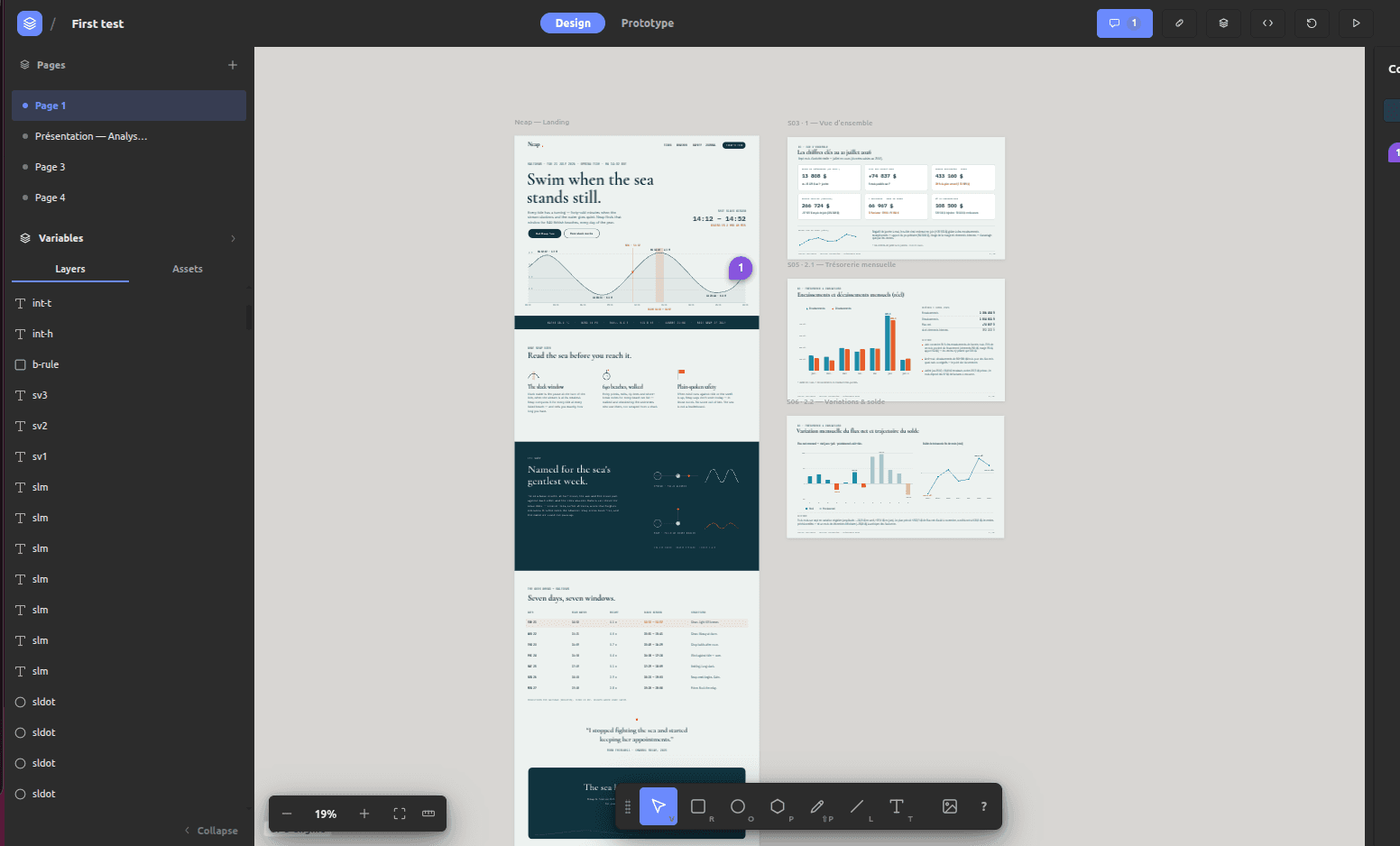
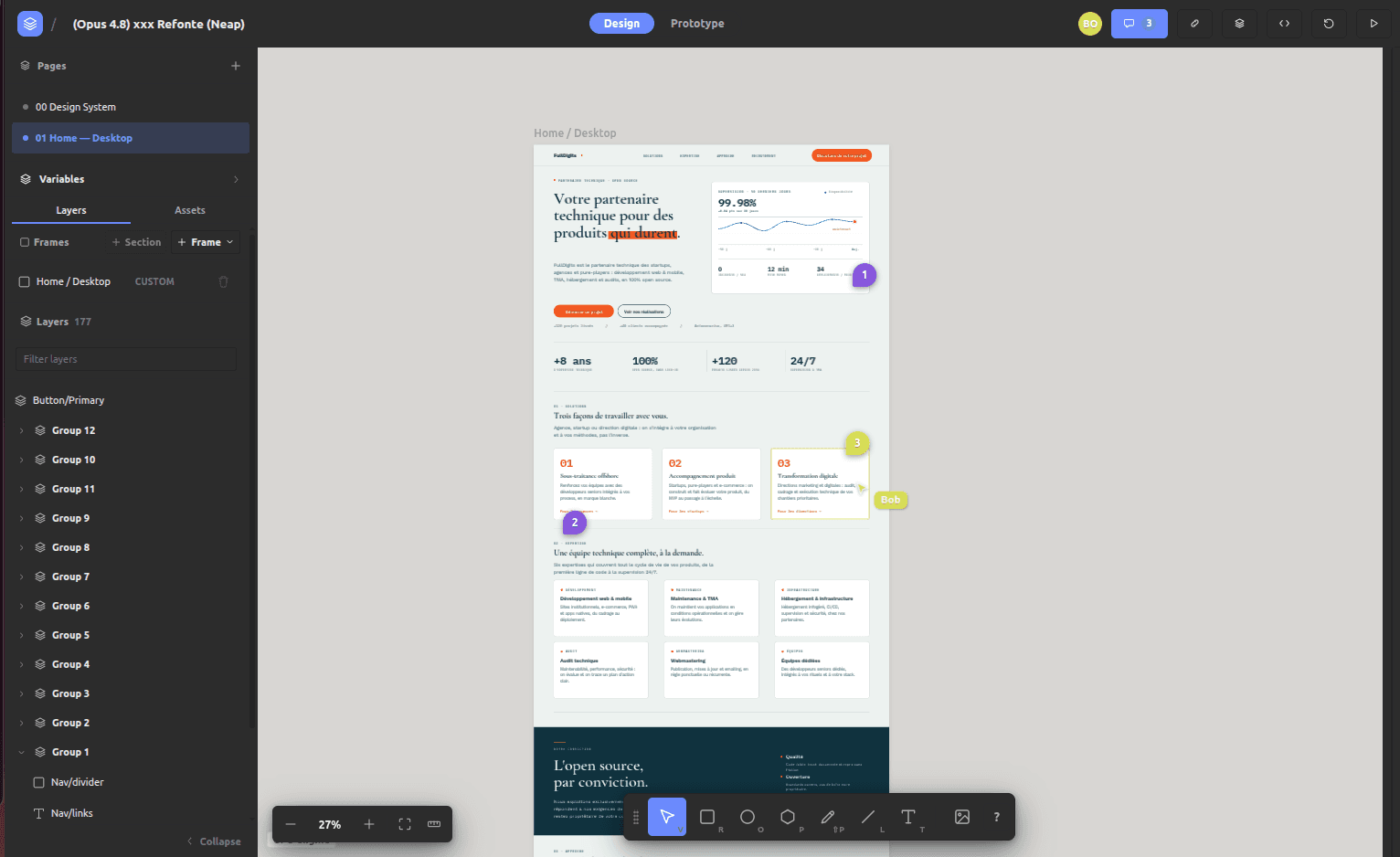
"Make it look good" is not a brief, and an agent handed that will invent a different visual language every run. Each of these fixes one identity completely, down to the tokens, type scale and palette, so the same instruction gives the same result whether the output is a landing page, a slide deck, a dashboard or a canvas document.
Away from the screen: two wheels, a few cats, and anime.
I am 24. When the job is not remote, the commute is the best part of the day: I like the ride, and I like looking after the scooter that does it.
There are also cats. I feed them, look after them, and give them the time they ask for. And I love anime.
Back at the desk I am a Linux person. I write in Vim, live in the terminal, and build for the desktop I actually use.
Have something worth building? Let’s talk.
Open to freelance projects, full-time roles and collaborations. Tell me what you are trying to make and the stack can follow.